
External Gravity Cosmology
A pull from outside, not a push from inside.
A universe beyond our view
What if everything we can see, out to the farthest galaxies, is only one patch of a far bigger universe? What if that bigger universe goes on forever, and is lumpy instead of smooth? Then the matter beyond our view would still pull on us, harder from some directions than others. Our universe would be gently and unevenly stretched by gravity we have barely begun to detect.
Is dark energy needed?
In 1998, astronomers found that the universe is not only growing, it is growing faster. The usual explanation is an unseen “dark energy” pushing it apart from the inside. No one has ever detected it. External Gravity Cosmology (EGC) offers a simpler answer. Nothing is pushing from inside. Gravity from outside is pulling everything outward. In this concept there is no need for dark energy, and no need for a Big Bang.
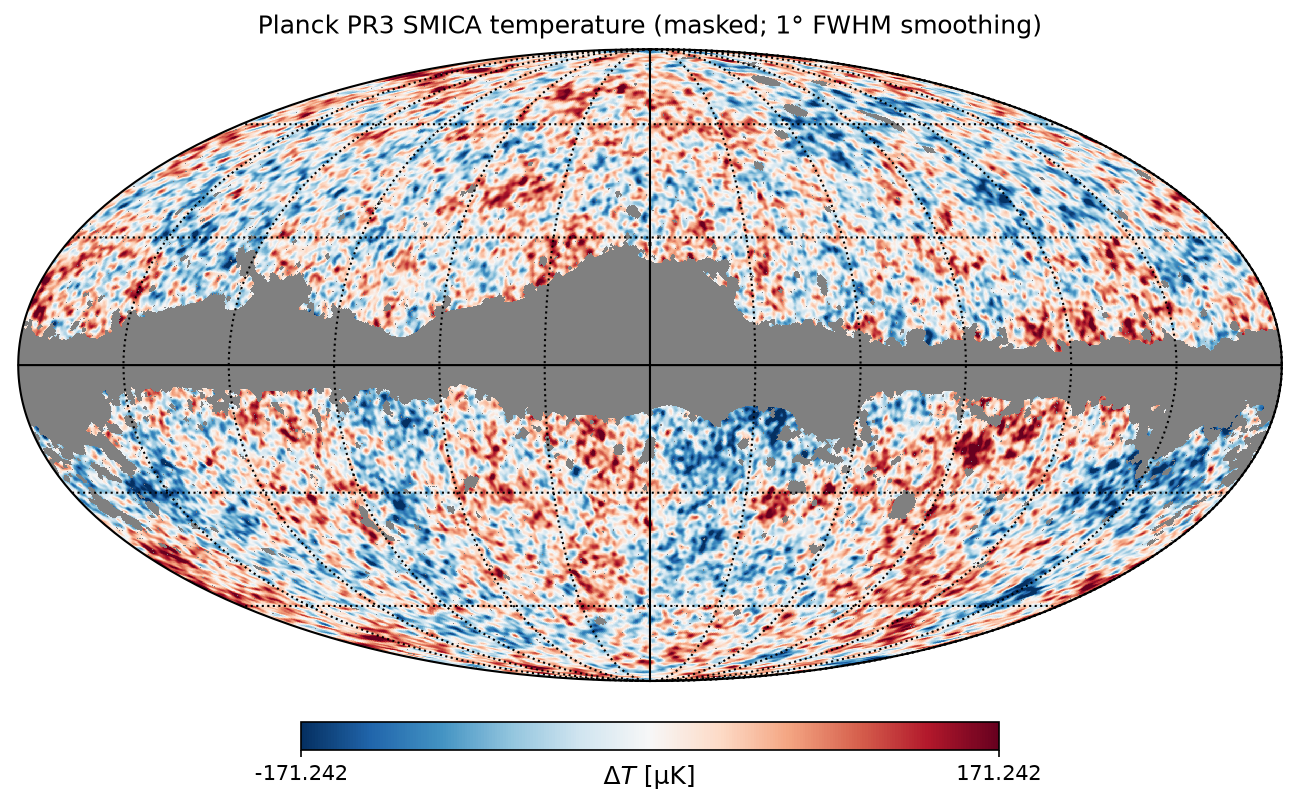
Putting it to the test
EGC is an idea, not a proven fact, and it can be checked. If gravity from outside is pulling on us, the sky should look slightly different in different directions. The papers describe tests that telescopes can do now or soon. Either way, the answer will tell us something.